


Choosing your first flute is an exciting process, and there are several factors to consider ensuring you select an instrument that suits your needs as a beginner. Here are some steps to help you make the right choice:
- Understand the Types of Flutes
- Concert Flute: The common modern flute played in orchestras and bands.
- Piccolo: A smaller, higher-pitched version of the flute.
- Alto Flute: Larger and lower in pitch, primarily used in specific musical contexts.
As a beginner, you will most likely start with a standard concert flute.
- Choose the Material
- Nickel Silver: Most common for beginners and produces a bright sound.
- Silver-Plated: Provides a warmer tone compared to nickel silver and is still affordable.
- Solid Silver: Higher-end flutes usually have a solid silver body, producing a richer sound, but they are significantly more expensive.
- What are student flutes we recommend?
- We recommend and sell a range of student flutes. Currently they all are priced just under $1,000. These options include:
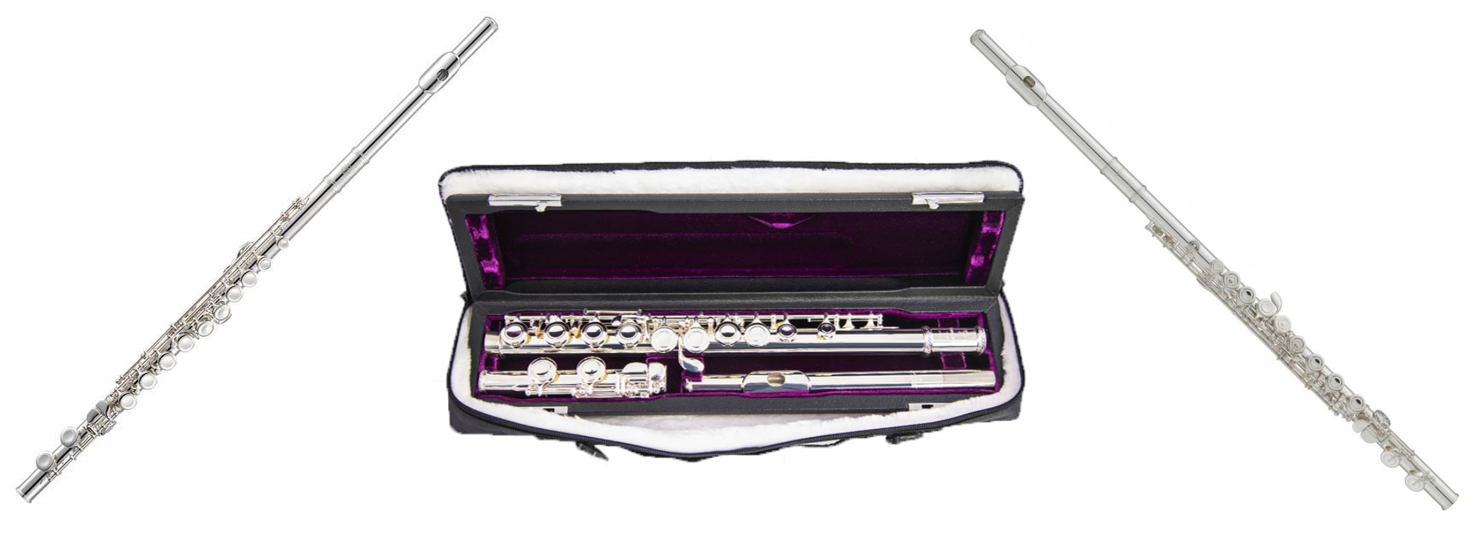
Yamaha: YFL212 (with Split E) and YFL222 (without Split E)
Eastman: EFL214
Jupiter: JFL700E
Trevor James: 10XE
Pearl: P505E
- What is the Split E Mechanism?
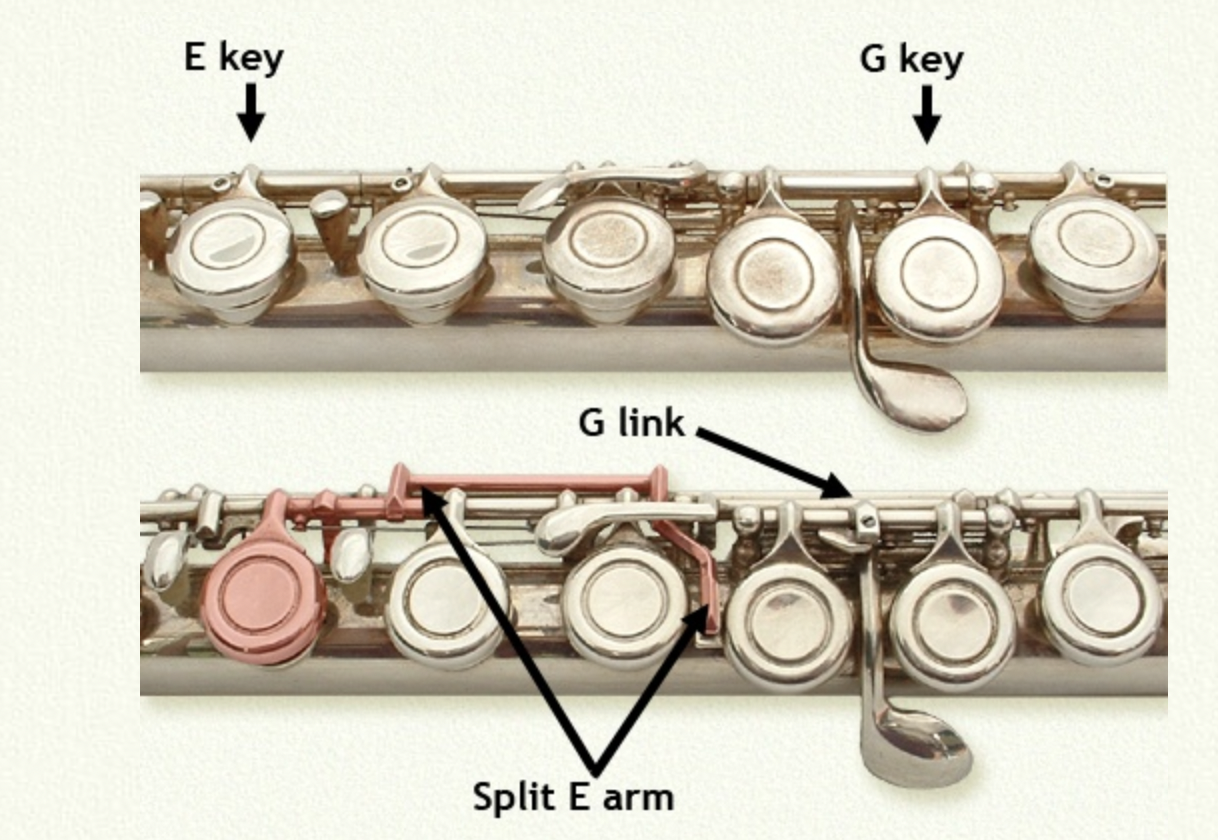
- The split E mechanism is an important feature for flutists who play in higher registers, as it stabilizes the difficult third register E note and improves intonation, air support, and finger coordination. This mechanism makes playing higher notes more manageable and less tense. Since it is usually factory-installed and cannot be added later, flutists intending on playing in the high register should select a flute with this mechanism to enhance their playing experience and development.
- The student flutes we sell WITH the Split E Mechanism are the Yamaha YFL212, Eastman EFL214, Jupiter JFL700E, Trevor James 10XE and Pearl P505E
- Open VS Closed hole – which is better for beginners?
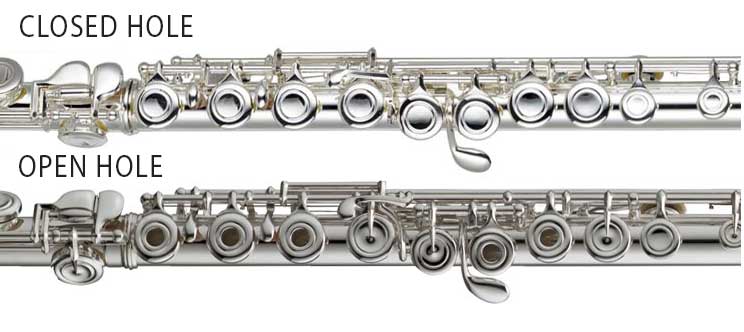
- Closed hole flutes (with all keys covered) are often recommended for beginners, while open hole flutes may offer more advanced techniques and tonal nuances for later on.
- Curved vs Straight Head joint
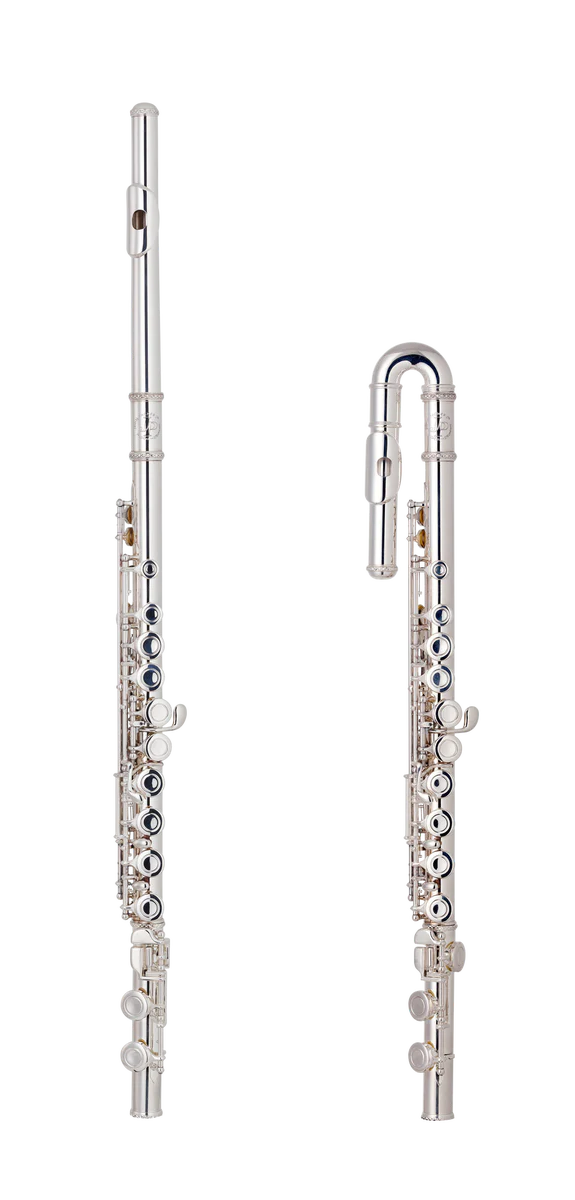
- For some beginner players, the length of the arm span is not wide enough to reach the end of the flute with a straight head joint. Some companies will have a curved head joint option or add on. The flutes that we offer with curved head joints are the Eastman EFL214CSE-CO and Pearl P505EUS. Yamaha also offers an additional curved head joint that you can get fitted to either your YFL222 or YFL212, this is the FHJ-200U (you would need to purchase both the flute and the additional headjoint).
- Consider Brand and Quality
- Look for reputable brands known for quality beginner flutes, such as Yamaha, Eastman, Jupiter and Pearl.
- Consider purchasing from a reputable music store where you can see the different models of flute in person. From us, you can guarantee that you will get a flute that is ready to play out of the box because we tech assure and set up every instrument when it arrives.
- Consult with a Teacher
- If you’re taking lessons, your teacher can provide invaluable guidance on which flute to choose based on your needs and goals.
- Test the Flute
- If you have been playing for a couple of years, we recommend visiting a music store to try different flutes. Pay attention to how comfortable it is to hold and play. Things to look for are ease of response, evenness of tone, and comfort with the key placements.
- Budget
- Set a budget before you start shopping. Brand new beginner flutes can range from around $700 to $1,000 or more. Keep in mind that you might want to invest a bit more for a higher quality instrument that will last you longer.
11. Can I rent flutes?
- We do offer rental options for all our new stock. Our rental program is run through another party called Studio19. There is a minimum rental of 6 months, however, you can purchase the instrument through them at anytime.
For more information on Studio19 click here.

12. Is maintenance necessary, and if so, how often?
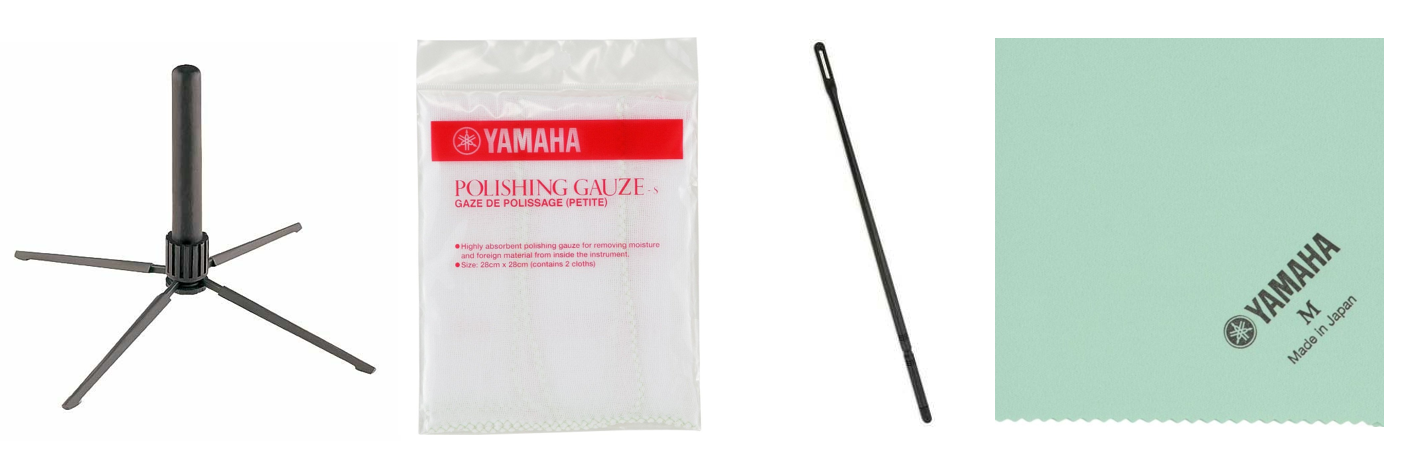
- Yes, regular maintenance is essential to keep your flute in good playing condition. You should clean it after each use with a flute guaze/swab attached to a flute rod and have it serviced by a technician every 12-18 months. We have onsite technicians at our stores who are able to book in servicing for you. Give us a call to book in your flute!
13. New or used flutes: which is better for beginners?
- Buying a new saxophone through us comes with a warranty and every instrument is tech assured with our onsite technicians and specialists.
- Purchasing second hand instruments can offer great value, however, it is crucial to purchase them from reputable sources. Purchasing second-hand instruments through us gives you peace of mind that these instruments will be of value to you.
- To see our range of second-hand flutes click here!
14. Accessory Considerations
- All of our brand-new flutes come with all the cleaning equipment that you’ll need to get started! This includes a swab/gauze, flute rod and a polishing cloth. If you’re looking at buying second-hand, you will likely need to purchase these additionally.
- Other things we suggest is a flute stand so the flute isn’t left on a chair or bed where it can be easily knocked and bumped. A beginner book to get started straight away can also be a very good investment.
By considering these factors, you can choose a flute that best fits your needs as a beginner. Enjoy the process, and happy playing!